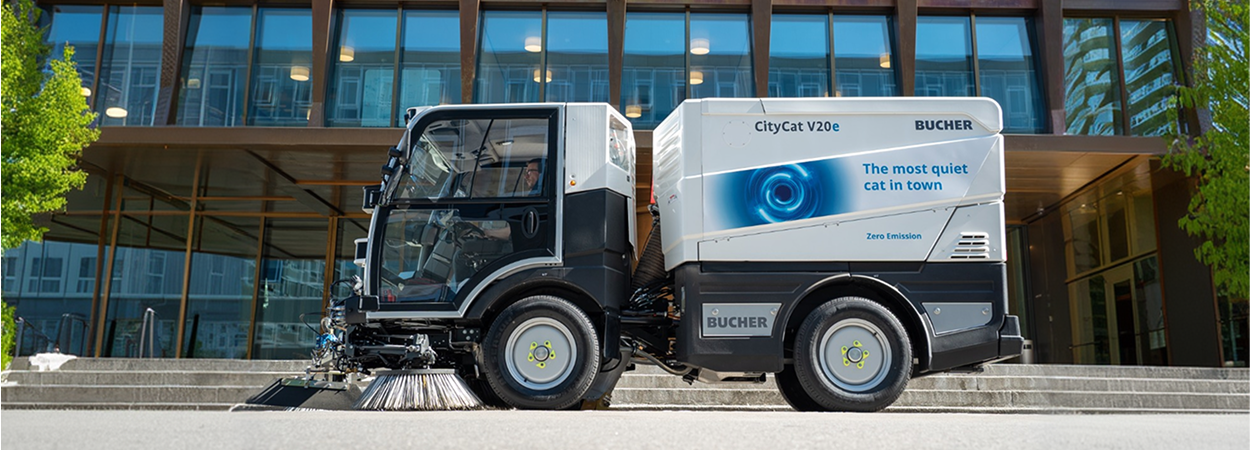
Not all road sweepers are built the same. Choosing the right machine can significantly impact performance, cost and efficiency.
.png)
Selecting the right road sweeping machine is critical to achieving optimal cleaning performance and operational efficiency. With a wide range of machines available, understanding the specific requirements of your application is the first step in making the right choice.
One of the primary factors to consider is the size and type of the area being cleaned. Large highways and arterial roads require high-capacity, truck-mounted sweepers that can cover long distances efficiently. These machines are designed for speed, durability and large debris handling.
In contrast, compact or self-propelled sweepers are better suited for smaller spaces such as city streets, parking lots, industrial facilities and residential complexes. Their maneuverability allows them to operate effectively in confined areas where larger machines may not be practical.
Another important consideration is the type of debris being handled. Some environments generate primarily fine dust, while others may involve larger waste materials such as leaves, gravel or construction debris. Choosing a machine with the appropriate suction power and brush configuration ensures better cleaning results.
Environmental impact is also becoming an increasingly important factor. Many organizations are now opting for low-emission or electric sweepers to meet sustainability targets and regulatory requirements.
Maintenance and operational costs should not be overlooked. Machines that are easy to maintain and designed for long-term durability can significantly reduce downtime and lifecycle expenses.
Ultimately, the right road sweeper is one that aligns with your operational needs, environmental goals and budget considerations.
A well-chosen sweeping machine not only improves cleaning performance but also enhances long-term efficiency and cost savings.



.png)

.png)